







Be bear aware: Department advises public to stay safe in bear country
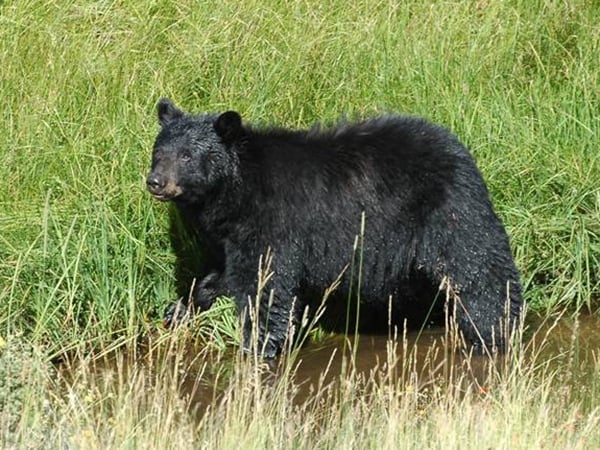
SANTA FE – As the weather warms, New Mexicans are going back outside — and bears are becoming more active.
If you're planning a camping or hiking trip in bear country, the New Mexico Department of Wildlife urges the public to "stay bear aware" while they're in the woods. It should be noted that bears are typically afraid of humans and will mostly keep their distance unless provoked. However, if they become accustomed to eating garbage or food scraps left behind, a dangerous encounter may be more likely.
"It is not normal for bears to be habituated to human presence and dependent on human-provided food sources," said Nick Forman, the Department's carnivore and small mammal program manager. "Bears should have a natural fear of humans, and in the wild will typically flee or hide when they're aware of human presence. Bears that are habituated to human presence, or human food, may become aggressive or defensive to protect their food source, or if they are startled by a human in close quarters."
If you see a bear, do not run. Instead, make yourself big, use your voice to scare the bear, wave your arms and back away slowly. Never come between a mother and her cubs. If attacked, fight aggressively.
If you are going out camping this Memorial Day weekend, here are some important safety tips to keep in mind:
- Keep a clean camp.
- Do not leave food or garbage out when not in use. Keep coolers in trailers, campers or vehicles with the windows rolled up to avoid attracting a bear. If you are hiking, don't leave your trash on the trail. Pack it in, pack it out!
- Bears have a great sense of smell, so any fragrant items like soap, toothpaste, the smell of your cook fire or the clothes you cooked in are all attractive to bears. Cook away from where you sleep if possible, and keep fragrant items locked up away from sleeping areas.
- Hikers should also make their presence known. A surprised bear can become a dangerous bear; making noise can ensure bears are aware of you.
- Never hike alone — instead, hike in groups.
- Keep your children and pets close by.
Being "bear aware" also means taking measures to avoid human-bear conflicts. Some common oversights can lead to dangerous encounters. You can prevent some of these issues by following these tips:
- Never feed or approach bears. Feeding bears, intentionally or unintentionally, trains them to approach homes and people for more food.
- Secure food, garbage and recycling. Most human-bear conflicts are caused by unsecured garbage, as food and food odors attract bears.
- Clean and store grills. After using an outdoor grill, clean it thoroughly and make sure all grease and fat are removed. Store cleaned grills and smokers in a secure area that keeps bears out.
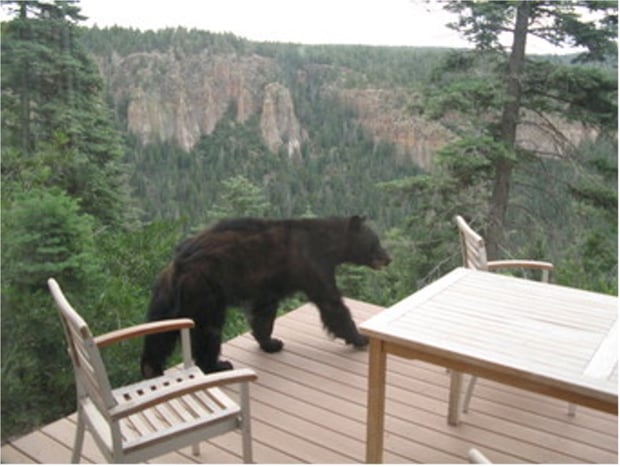
Homeowners in areas where bears are common can make a few changes to help keep themselves and bears safe. The most important step is to keep garbage stored in a sturdy closed can kept in a garage, as most human-bear conflicts are caused by unsecured garbage. Other safety tips for homeowners include:
- Feed pets inside and store their feed indoors.
- If you enjoy having a birdfeeder, only add enough birdseed to last throughout the day, and hang feeders from trees rather than your porch or home.
- Plant fruit trees away from your house and pick the fruit as it ripens. Remove fruit that has fallen to the ground.
- Keep compost and wood piles away from the house.
- Let neighbors know! If you know of recent bear activity, share this information with your friends and neighbors and give them tips on how to avoid bear conflicts.
More safety tips for those living or recreating where bears are present are available in the Department's brochure, "Keeping Bears Alive and Yourself Safe." This brochure is available at Department offices statewide.
The public should contact their local Department of Wildlife conservation officer if they encounter a nuisance bear on their property.